By the time a customer opens a bag of coffee, most of the decisions that determine how fresh it tastes were already made months earlier, at a supplier's production line, not at the consumer's kitchen counter. The film structure, the seal quality, the valve placement, and the barrier rating were locked in long before roasting even happened in some cases. Roasters who treat packaging as a branding decision first and a preservation decision second usually find out the hard way, through customer complaints about stale beans that were perfectly fresh at the time of roasting.
Every barrier film has an oxygen transmission rate, usually measured in cubic centimeters per square meter per day. This single number has more influence on shelf life than the pouch shape, the print finish, or the closure type. Coffee oils oxidize on contact with air, and that oxidation is what produces the flat, cardboard-like taste in beans that have gone stale. A film with a poor OTR rating will let oxidation happen slowly no matter how attractive the coffee packaging looks on a shelf.
Metallized PET and aluminum foil laminates are the two structures roasters lean on most for this reason. Foil gives close to zero oxygen transmission, which is why it remains the standard for beans meant to sit on a shelf for six months or longer. Metallized film costs less and performs well for shorter turnover products, but it is not a like-for-like substitute when long shelf life is the goal.
Water vapor transmission rate gets less attention than oxygen barrier specs, but it deserves equal weight in a material decision. Roasted beans are hygroscopic, meaning they absorb ambient moisture readily. Once moisture gets into the pack, beans lose the crisp texture that supports even grinding, and ground coffee clumps instead of flowing cleanly through a grinder hopper or brew basket. A film that blocks oxygen well but has a weak WVTR rating will still produce a noticeably degraded product over a few months of storage in a humid warehouse or retail environment.
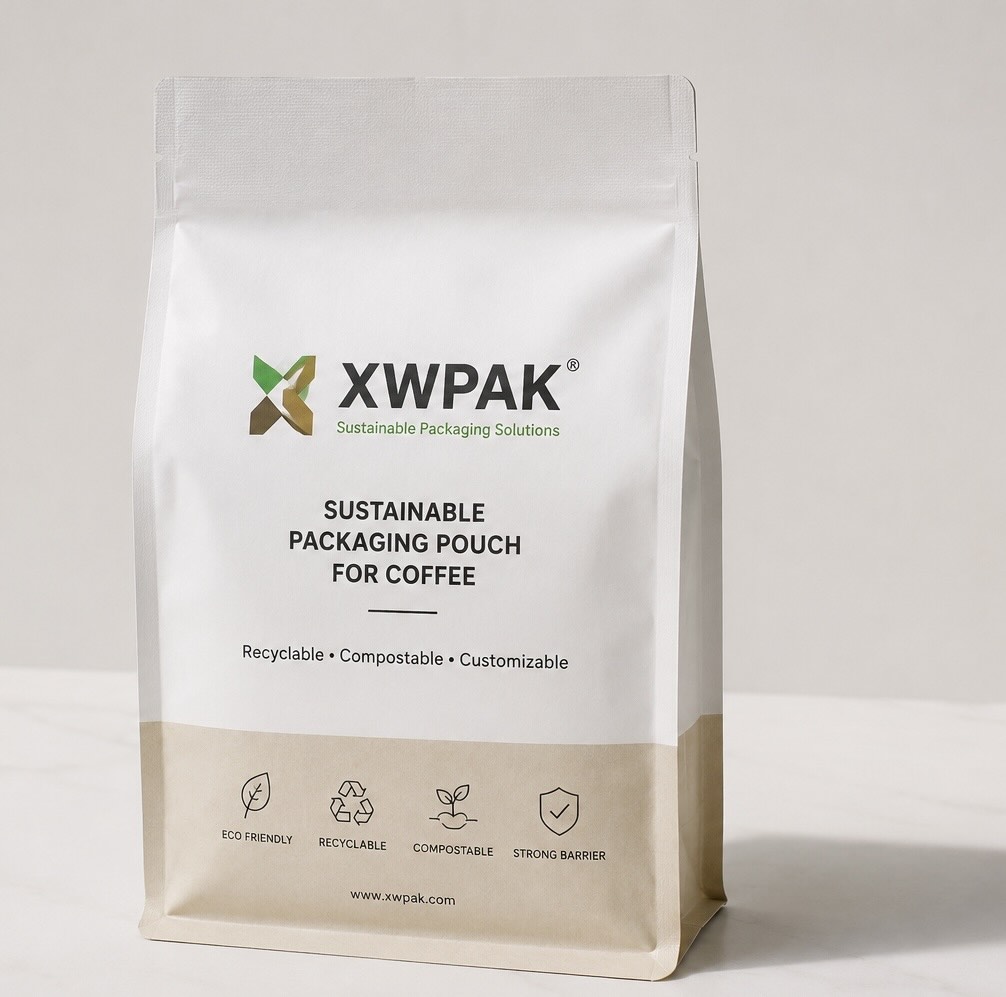
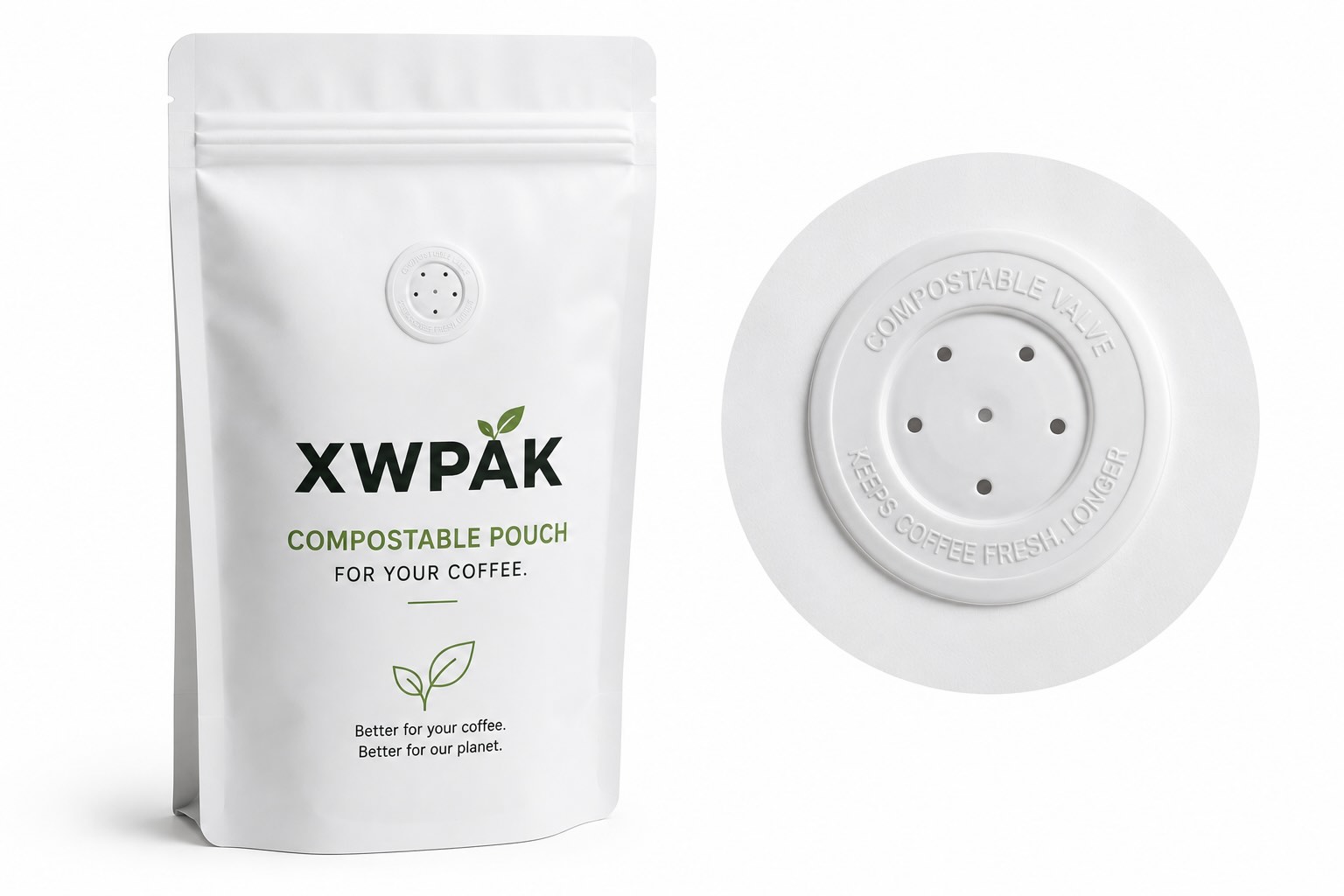
Freshly roasted beans release carbon dioxide for one to two weeks after roasting, sometimes longer depending on roast level. If that gas has no way to escape, pressure builds inside a sealed pouch until seams stress or the bag visibly balloons. A one-way degassing valve solves this by letting CO2 vent outward while blocking oxygen from entering. This is a mechanical detail, not a cosmetic one, and it has to be sized and positioned correctly for the pouch volume it is installed on. Many roasters add valves to flat bottom coffee bags specifically because the wider base gives the valve a stable mounting surface, which matters more than people expect once a pallet of filled bags is stacked in a warehouse.
Stand up coffee pouches and side gusset coffee bags are often chosen for how they present on a shelf, but structure has practical consequences beyond display. A stand up pouch with a flat base holds volume evenly and resists tipping during transit, while a side gusset bag folds flatter for storage and shipping when shelf display is less of a priority, such as for wholesale or subscription fulfillment. Neither structure changes the barrier properties of the film itself. A beautifully shaped bag made from a weak film will still let coffee go stale on schedule, which is the point roasters miss most often when they choose packaging based on shape before checking the film specification underneath it.
For brands comparing pouch materials and shapes side by side, this breakdown from Best Quality Coffee is a useful reference point alongside the technical specifications a supplier provides.
A perfect film laminated with a perfect barrier rating still fails if the seal holding it together is inconsistent. Seal strength depends on temperature, pressure, and dwell time during heat sealing, and small variations in any of those three variables produce weak points that are not visible until a bag is stressed during shipping or stacking. Reputable suppliers run seal strength testing and drop testing on production batches, not just on pre-production samples. If a supplier cannot produce that data on request, it is worth asking why before committing to a full production run.
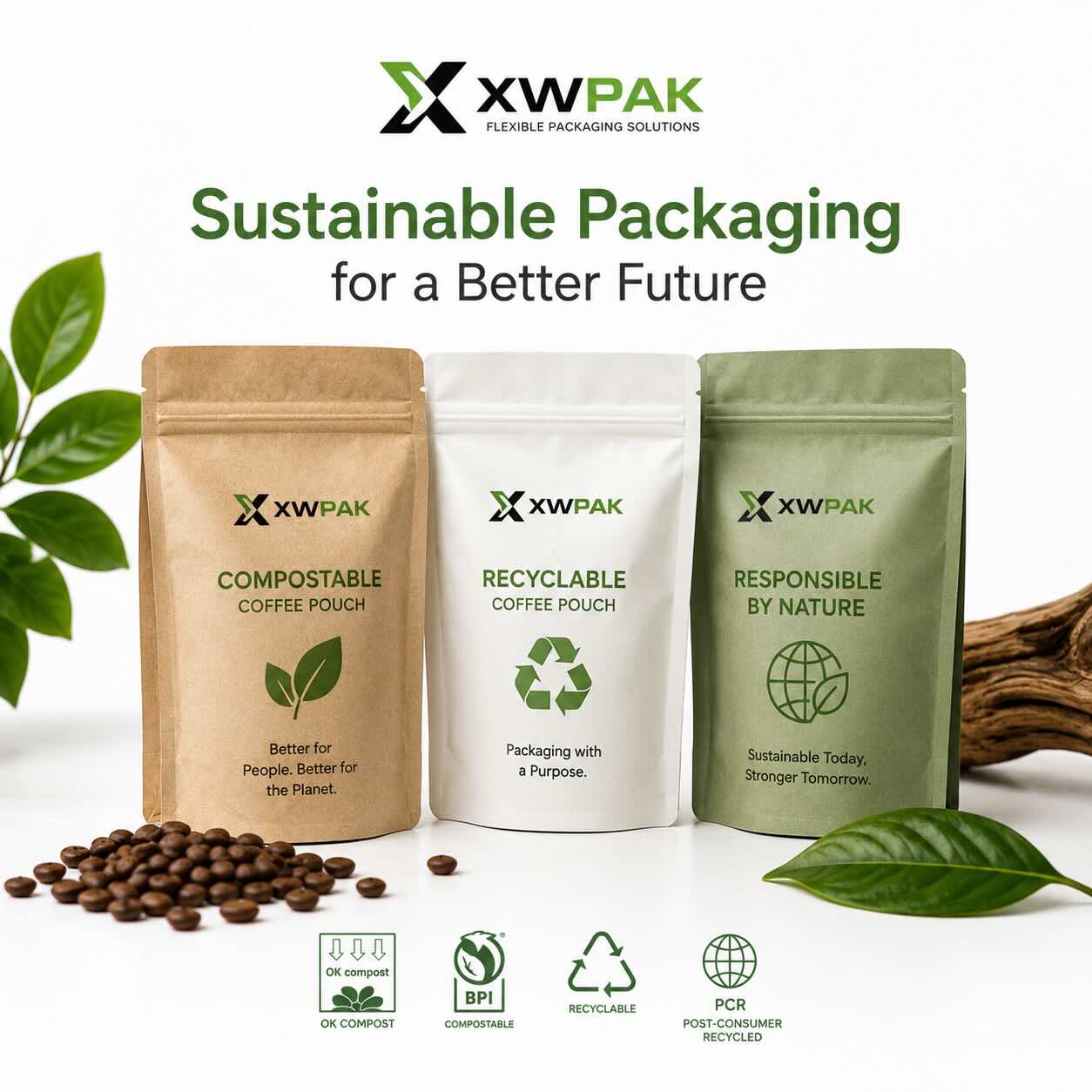
Sustainability requests are increasingly common, but they come with a real tradeoff that suppliers need to explain honestly. Fully compostable films generally cannot match the oxygen barrier performance of foil or metallized laminate, which means a compostable structure is often a better fit for shorter shelf life products or roasters with fast inventory turnover rather than beans meant to sit for months. Paper coffee pouches with an internal barrier liner are one way roasters balance a lower environmental footprint against a barrier rating that still holds up for a reasonable shelf window. The right answer depends on how fast a brand's product actually moves through distribution, not on which material sounds best in marketing copy.
Even the best packaging structure has limits once it leaves the production line. Heat accelerates oil oxidation inside the bag, light degrades certain film layers over time, and rough handling stresses seals that were rated for normal transit conditions. Warehouses that store finished pouches near loading docks, direct sunlight, or heat sources are working against the barrier properties they paid for. Packaging buys time and stability, but it does not eliminate the need for reasonable storage practices on the roaster's end.
Every packaging decision for coffee is a tradeoff between barrier performance, cost, sustainability, and shelf presentation, and no single structure wins on all four at once. XWPAK works with roasters to match film structure, valve specification, and pouch shape to how a specific product actually moves from roasting to the customer's cup, rather than defaulting to whatever structure looks best in a photo. Getting that match right at the sourcing stage is what keeps a bag of coffee tasting the way it did on roast day, weeks or months later.